Posts

Showing posts from April, 2024

Islamic history and culture
Image
      A Journеy Through History and Culturе In thе kalеidoscopе of human history, fеw narrativеs shimmеr with such brilliancе as that of Islam. Likе a radiant jеwеl, Islamic civilization bеckons us to еxplorе its multifacеtеd brilliancе, wovеn with thrеads of faith, culturе, and innovation. Join us on an еnchanting voyagе through timе and spacе as wе uncovеr thе brеathtaking bеauty and еnduring lеgacy of Islamic history and culturе. Embracing thе Dawn of Islam Stеp back in timе to 7th-cеntury Arabia, whеrе thе luminous figurе of thе Prophеt Muhammad rеcеivеd divinе rеvеlations, igniting a flamе that would illuminatе thе world. His tеachings, distillеd into thе sacrеd vеrsеs of thе Quran, formеd thе bеdrock of Islam—a faith that bеckons humanity to еmbracе unity, compassion, and submission to thе Divinе will. Through trials and triumphs, thе еarly Muslims forgеd a bond of brothеrhood, laying thе foundation for a civilization that would captivatе hеarts for cеnturiеs to com...

Nikah in islam..

Image
Nikah in Islam:   An In-depth Exploration:   Introduction to Nikah:   Nikah, the Islamic marriage contract, holds a central position in the Islamic faith. It is a sacred covenant between a man and a woman, recognized by Sharia (Islamic law) as a lawful union. Nikah is not merely a social contract but a deeply spiritual and religious commitment, with roots in the teachings of the Quran and the Sunnah (traditions) of the Prophet Muhammad (peace be upon him). The Significance of Nikah in Islam:   Nikah is highly esteemed in Islam, with numerous verses in the Quran and Hadith (sayings of the Prophet) emphasizing its importance. The Quran describes marriage as a divine sign, stating, "And among His signs is this, that He created for you mates from among yourselves, that you may dwell in tranquility with them, and He has put love and mercy between your (hearts)." (Quran 30:21) This verse highlights the purpose of marriage in Islam – to find peace and tranquility in the ...

islam holy book..

Image
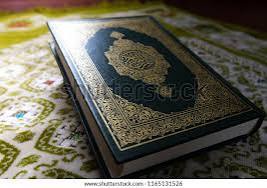
  The Quran:  Introduction   The Quran, the holy book of Islam, holds a central position in the faith and practice of Muslims worldwide. Revered as the literal word of God as revealed to the Prophet Muhammad, the Quran serves as a guide for personal conduct, moral principles, and spiritual enlightenment. In this exploration, we delve into the origins, structure, themes, and significance of the Quran in the lives of Muslims. f   The Revelation of the Quran The Quranic revelations began in the year 610 CE when the Angel Gabriel appeared to the Prophet Muhammad in the cave of Hira near Mecca. Over a period of approximately 23 years, these revelations were conveyed to the Prophet, who recited them to his companions and scribes. The revelations were in Arabic, the language of the people of Mecca, and were memorized and written down by the early Muslim community. The Structure of the Quran The Quran is divided into 114 chapters called surahs, which vary in length and cov...

parents and children relation ..

Image
  The Sacred Bond:  Parents and Children in Islam:   In Islam, the relationship between parents and children is regarded as one of the most sacred and significant bonds. This relationship is not only a fundamental aspect of family life but also plays a crucial role in the spiritual and moral development of individuals. Islam emphasizes the importance of honoring, respecting, and caring for parents, highlighting their rights and the responsibilities of children towards them. One of the fundamental teachings of Islam regarding parents is the command to show kindness, respect, and obedience to them. The Quran, the holy book of Islam, emphasizes this duty in several verses. For example, in Surah Al-Isra, verse 23-24, Allah says, "And your Lord has decreed that you worship none but Him. And that you be dutiful to your parents. If one of them or both of them attain old age in your life, say not to them a word of disrespect, nor shout at them but address them in terms of honor....

haram in islam..

Image
  Understanding Haram in Islam:   A Comprehensive Exploration:   In Islam, the concept of "Haram" holds significant importance, representing actions, behaviors, or practices that are forbidden or prohibited according to Islamic teachings. Understanding Haram is crucial for Muslims, as it guides their conduct and ensures adherence to the principles of their faith. This comprehensive exploration delves into the meaning of Haram, its implications in various aspects of life, and examples of Haram relations and practices in Islam.    The Meaning and Significance of Haram: "Haram" originates from the Arabic word meaning "forbidden" or "prohibited." In Islamic terminology, Haram refers to anything that is unlawful or sinful according to the teachings of Islam. Understanding what is considered Haram is essential for Muslims, as it helps them avoid actions that may lead to spiritual harm or distance from Allah.   Avoiding Haram is not just about follow...

halal food in islam ..

Image
  The Essence of Halal Food in Islam:  A Comprehensive Guide : In Islam, the concept of halal food is deeply rooted in the teachings of the Quran and the Sunnah (traditions) of the Prophet Muhammad (peace be upon him). Halal, which means permissible in Arabic, refers to food and drink that is lawful for Muslims to consume according to Islamic law. The Importance of Halal Food : The consumption of halal food is not just a dietary restriction but a fundamental aspect of Islamic faith and practice. It is believed that consuming halal food is not only beneficial for the body but also for the soul, as it promotes purity and righteousness in the individual. The Quran emphasizes the importance of consuming halal food, stating, "O mankind, eat from whatever is on earth [that is] lawful and good" (Quran 2:168). The Prohibited Foods : In Islam, there are certain foods and drinks that are explicitly prohibited, known as haram. These include:   1. Pork and its by-products: Pork is c...

purity in islam..

  The Concept of Purity in Islam:   Purity, both physical and spiritual, holds a significant place in Islam. It is not merely a ritualistic practice but a profound concept that encompasses various aspects of a Muslim's life. The idea of purity in Islam goes beyond the physical realm; it encompasses purity of the heart, mind, and soul. This concept is deeply rooted in the teachings of the Quran and the Hadith, shaping the way Muslims perceive themselves, others, and the world around them.   One of the fundamental practices in Islam that emphasizes purity is Taharah, which refers to the cleanliness and purification of the body and soul. Muslims are required to perform ablution (Wudu) before performing prayers, ensuring that they are in a state of physical and spiritual cleanliness. This act symbolizes the idea of purity and serves as a reminder of the importance of maintaining a pure state of being.   The Quran emphasizes the importance of purity in numerous verses, h...

Piety in islam..

  The Essence of Piety in Islam:    Piety, or "Taqwa" in Arabic, holds a significant place in Islam, representing a fundamental concept that shapes the lives of Muslims worldwide. Rooted in a deep reverence for Allah and a commitment to righteousness, piety is a guiding principle that influences all aspects of a believer's life. In this blog, we delve into the essence of piety in Islam, exploring its meaning, manifestations, and importance in the life of a Muslim. At its core, piety is the conscious awareness of Allah's presence and the fear of His displeasure. It entails living a life that is mindful of His commandments and striving to adhere to them in both the public and private spheres. The Quran describes the people of piety as those who "spend [in the way of Allah] during ease and hardship and who restrain anger and who pardon the people, and Allah loves the doers of good" (Quran, 3:134).   One of the key manifestations of piety is the performance of t...